
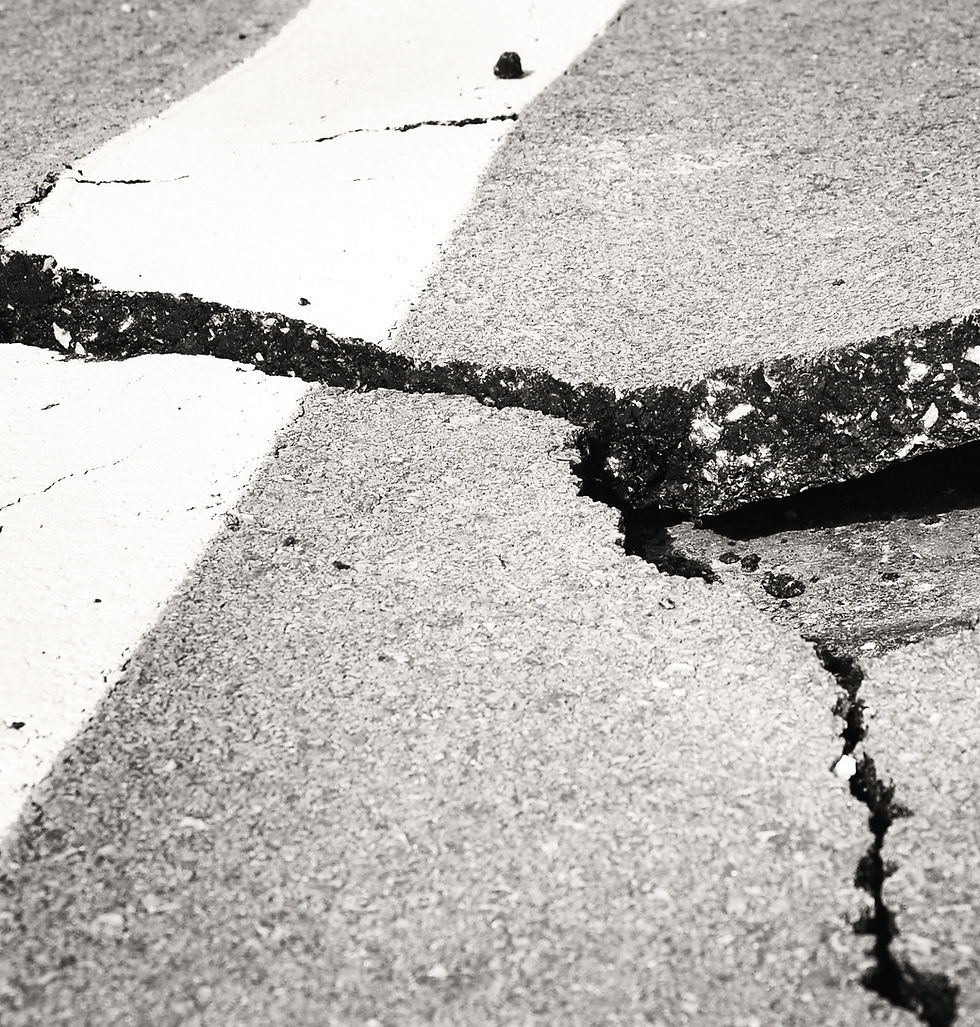
When the Foundation Cracks: Healing After Infidelity
- Steven Marshall

- Jul 4, 2025
- 2 min read
Hello. Happy 4th!!! Welcome to your favorite cyber-corner: Steven Says.
They say trust takes years to build, seconds to break, and a lifetime to repair.
After years of sitting with couples in crisis, I’ve seen the aftermath of infidelity up close. The tears. The silence. The raw confusion. It’s a devastating storm that rips through not only relationships, but through the mental well-being of everyone involved.
Let’s talk about what infidelity does to our minds, and more importantly, how healing can — and does — happen.
Being cheated on isn’t just a relationship issue. It’s a trauma.
People often experience:
Intrusive thoughts and anxiety: “Was it my fault?” “What did I miss?” “Are they still lying?”
Depression and self-doubt: “Why wasn’t I enough?”
Sleep issues, panic attacks, and loss of appetite: The body keeps the score.
Hypervigilance: Constant checking of phones, emails, social media.
Loss of identity: When your entire relationship is built on trust, and that trust is broken, it can make you question who you are and what you believe in.
The betrayed partner often cycles through stages of grief—shock, anger, bargaining, sadness, and eventually, if healing happens, acceptance.
But here’s the thing most people don’t tell you: the partner who committed the infidelity also often suffers mentally. Guilt, shame, self-loathing, fear of losing the relationship—they're all real. And healing can’t happen if only one person is doing the emotional work.
🟩 Can Trust Be Rebuilt? Yes. But It’s Not Fast—and It’s Not Easy.
Some couples do recover. Many don’t. The difference? Willingness to do the hard, honest work—on both sides.
Here’s what that process can look like:
Radical honesty. The cheating partner must come clean fully. Half-truths are grenades with delayed timers. Get everything on the table.
Accountability. “I made a choice. I hurt you. I own that.” Not, “I cheated because you…” That doesn’t heal. That deflects.
Patience with triggers. The betrayed partner may spiral months—or even years—later. That’s normal. Healing isn’t linear.
Transparent behavior. This includes open phones, predictable schedules, and being where you say you’ll be. Not forever, but for long enough to rebuild credibility.
Counseling. Whether it’s individual therapy, couples therapy, or both—having a guide through the process can make the difference between healing and re-injury.
Rebuilding intimacy slowly. Emotional intimacy must come before physical. That means talking, reconnecting, laughing, crying—being real with each other again.
🟦 Final Thought - Steven Says: This Isn’t the End. It Might Be the Beginning.
I won’t lie—recovering from infidelity is one of the hardest journeys a couple can take. But I’ve seen couples not only survive it, but thrive afterward. Why? Because they did the work. They faced the pain instead of running from it.
If you’re in this place right now, please know this: you’re not crazy, you’re not weak, and you’re not alone. The path forward might be long, but you’re capable of walking it—whether it leads to reconciliation or a new beginning for yourself.
And wherever that path takes you, I’ll be here to walk beside you with more thoughts, tools, and insights along the way.
Until next time


Comments